
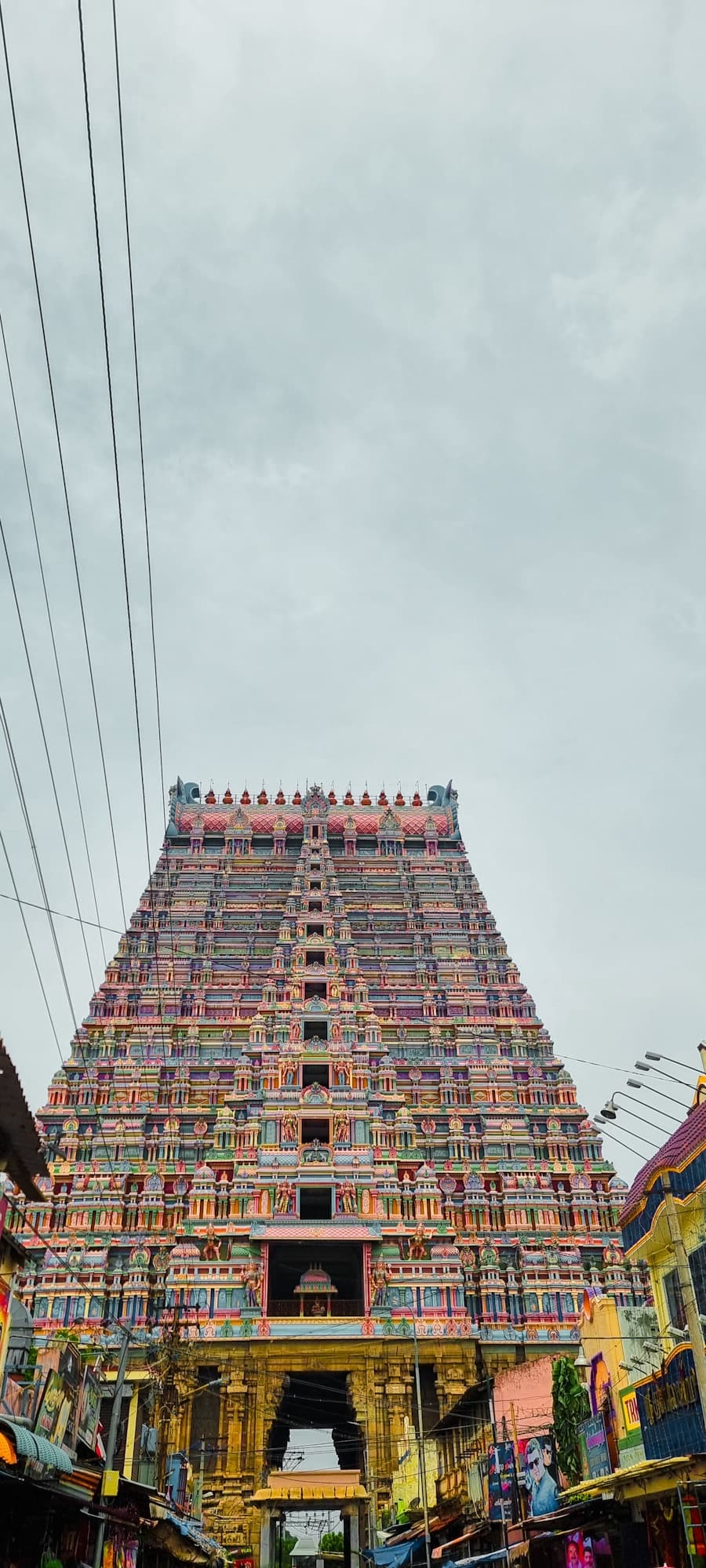
Agama Shastra is the ancient text that prescribes how temples are built, how deities are consecrated, and the exact procedures for daily puja.
Introduction to Agama Shastra
Agama Shastra is that strand of Hindu knowledge considered equal in authority to the Vedas. While the Vedas speak of the Divine, the Agamas explain how to reach it. The word Agama means "that which has come" — knowledge received directly from the Divine.
The Agamas are divided into three streams: Shaivagama (relating to Shiva), Vaishnavagama (relating to Vishnu), and Shaktagama (relating to the Goddess). All three traditions contain detailed rules for temple construction, deity installation, and daily puja.
Temple Architecture According to Agama
According to Agama Shastra, a temple is not merely a building — it is a microcosm of the universe. The garbhagriha (inner sanctum) is the cosmic centre where the deity's energy is most concentrated. The direction of the temple, the height of the gateway, the shape of the shikhara — all are governed by precise rules.
Texts like Manasara, Mayamata and Vastusutropanishad give detailed instructions for temple construction. According to these, the flow of sound, light and air within the temple is designed so that stillness and focus arise naturally in the devotee's mind.
Prana Pratishtha: Infusing Life into the Deity
Among the most important Agamic rituals is Prana Pratishtha — the process that transforms a stone image into a living deity. This can unfold over several days and includes Anavadhana (consecration bath), Netraonmilana (opening of the eyes) and Anganyasa (placing the deity's consciousness in each limb).
Only qualified and initiated priests can perform this rite. The Agamas teach that a properly consecrated image truly carries the consciousness of the deity and hears the devotee's prayers.
The Shodashopachara Method of Daily Puja
According to the Agamas, a deity should be worshipped through sixteen services (Shodashopachara): Avahana (invitation), Asana (offering a seat), Padya (washing the feet), Arghya (offering water), Achamaniya (rinse for the mouth), Snana (bath), Vastra (clothing), Yajnopavita, Gandha, Pushpa (flowers), Dhupa (incense), Dipa (lamp), Naivedya (food), Achaman, Tambula (betel), and Namaskar.
Each service carries deep meaning. This is not mere ritual — it is the sentiment of serving a beloved guest. As we offer these services to the Lord, the mind is gradually purified.
Relevance of Agama in Modern Life
Even today, the great temples of South India — Chidambaram, Rameswaram, Tirupati — are operated according to Agamic rules. Their priests are hereditary custodians of this knowledge, a tradition at least 3,000 years old.
When you visit an Agamic temple and participate in its puja, you become part of an energy system that has flowed continuously through the centuries. This is why an extraordinary peace descends upon the mind in such temples.